Is Costa Rica Safe to Travel?
Yes, for most visitors who take the same care they would in a city at home. Here is what to watch, from our team in San José.
Last reviewed by our team in Costa Rica: . By The My Costa Rica team in San José.
Quick answer
- Yes, for most visitors. The US State Department rates Costa Rica Level 2 of 4, “exercise increased caution”, because of crime (issued 2 April 2026). Canada sits at its second of four levels too.
- Theft is the risk you are most likely to meet: a bag left on the sand, valuables in a parked car.
- The ocean is the bigger physical risk. Rip currents are strong and most beaches have no lifeguard.
- Dial 911 for any emergency. It works without a Costa Rican SIM card.
Is Costa Rica safe to travel right now?
The two governments most of our clients travel from both put Costa Rica at their second level of four, and both name the same reason: crime.
| Government | Level today | Date |
|---|---|---|
| US State Department | Level 2 of 4: exercise increased caution, due to crime | Issued 2 April 2026 |
| Government of Canada | Exercise a high degree of caution (second of four levels), due to crime | Updated 14 October 2026 |
The State Department says petty crime is common across the country and that violent crime, including armed robbery, also affects tourists. Most of that risk is managed by a few habits, set out below, and by how you move around.
Advisories change. Read the current US advisory before you fly, and enroll in the State Department’s free STEP program so the US Embassy in San José can reach you.
Theft: the risk you are most likely to meet
Petty theft and pickpocketing are the crimes US travelers report most often here, according to the State Department. Canada adds that passport theft rises in the busy months, November to May and July to August.
- Hotel safe for the passport and spare cash. Carry a copy of your passport photo page and entry stamp, as the CDC suggests. Police can ask to see the original, so know where it is.
- Never leave a bag alone on the beach. Every beach in Costa Rica is public.
- Leave nothing in a parked car, the trunk included. Car break-ins are very common in hotel, restaurant, beach and national park car parks, Canada says.
- Leave the expensive watch and jewelry at home.
- Use ATMs inside a bank or a busy, well lit place.
- Take licensed taxis or a well known ride app, never an unlicensed car.
- If someone with a weapon asks for your things, hand them over. Both governments say the same: do not resist.
The ocean is the bigger risk
Costa Rica’s beaches have strong rip currents, and the State Department notes that most of them have no lifeguards and no warning signs. The US Embassy in San José says rip currents kill dozens of US citizens here every year. That is the number that matters most on this page.
- Swim where a lifeguard is on duty, and follow the flags.
- Never swim alone, at night, or after a drink.
- Children in the water with an adult, always.
- Ask at your hotel each morning about the sea that day.
- On some beaches there can be crocodiles, the Costa Rica Tourism Board (ICT) says, so ask locals before you surf.
- Rivers and waterfalls change fast in the rainy season. Flash floods come without warning, so swim only where it is allowed.
The State Department lists a limited lifeguard presence at these beaches, and warns the stations may not always be staffed:
| Coast | Beaches with some lifeguard presence |
|---|---|
| Guanacaste | Tamarindo, Playa Grande, Guiones, Pelada |
| Central and South Pacific | Jacó, Hermosa, Esterillos Oeste, Manuel Antonio, Dominical, Ventanas, Bahía Ballena, Santa Teresa, Caldera |
| Caribbean | Playa Grande (Cahuita), Cocles, Chiquita, Punta Uva, Manzanillo |
Is it safe to drive in Costa Rica?
You can, and many people do, but the roads ask a lot of a driver who does not know them. The State Department lists what to expect:
- Unclear lane markings, narrow shoulders and large potholes.
- Single lane bridges, even on busy roads, and some rural roads with no bridge at all.
- Unpaved roads to many beaches, some only passable with 4-wheel drive.
- Landslides that close roads in the rainy season, and heavy traffic around San José.
- Motorcycles passing on both sides. Driving outside towns after dark is best left out of the plan.
If you have an accident, do not move the car: the traffic police and an insurance investigator both have to make a report first.
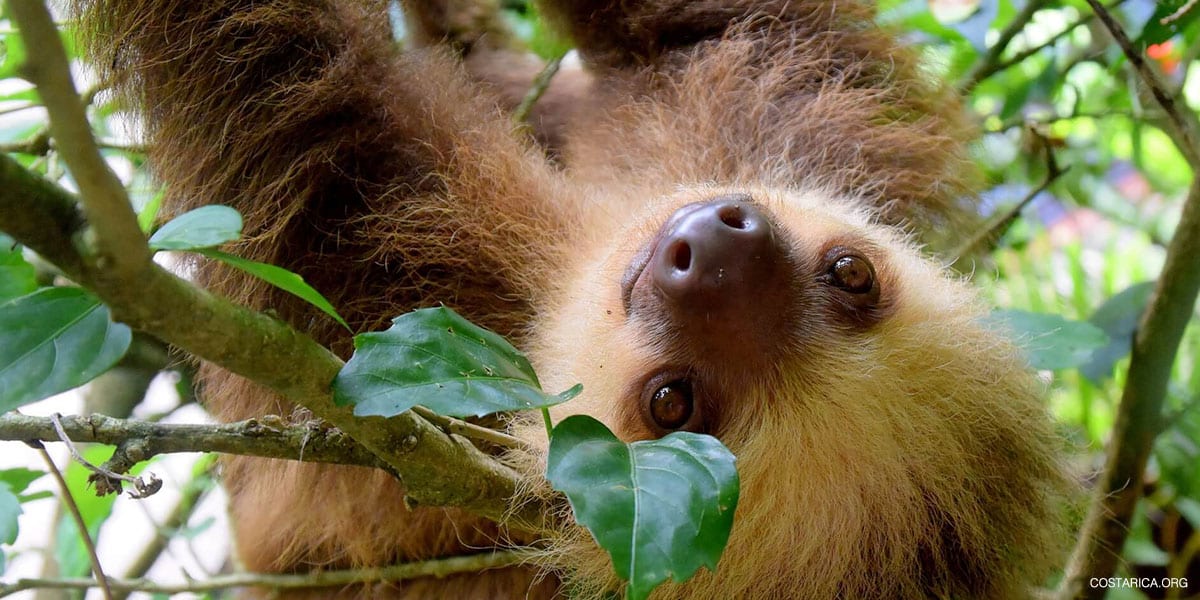
Most of our clients never drive at all. They travel by private transfer with a Costa Rican driver in a modern, air conditioned van that leaves on their schedule and stops when they want: a bathroom, a fruit stand, a sloth in a tree. Nobody in the family is reading road signs in Spanish on a mountain road at dusk. See getting around Costa Rica.
Health: water, mosquitoes and vaccines
Tap water. The two official sources disagree, so here are both. The Costa Rica Tourism Board says tap water is drinkable and suggests bottled water only in a few rural areas. The US State Department says tap water is often not safe to drink and that ice may be made with it. If your stomach is sensitive, or you travel with small children, drink bottled or filtered water and ask your hotel about its own supply.
Mosquitoes. The CDC lists dengue, Zika and chikungunya in Costa Rica. As of 1 November 2026 it also shows two current notices: a chikungunya outbreak in northwest Costa Rica (Level 2, updated 30 July 2026) and a hepatitis A outbreak with most cases in San José province (Level 1, 18 September 2026). Use a repellent with 20% DEET or more, cover up, and sleep in air conditioned or screened rooms. If you are pregnant, talk to your doctor about Zika before you book.
Vaccines. See your doctor at least a month before the trip. The CDC’s current advice:
| Vaccine or medicine | CDC advice for Costa Rica |
|---|---|
| Routine vaccines, including measles (MMR) | Up to date before every trip |
| Hepatitis A | Recommended for unvaccinated travelers aged 1 and over |
| Hepatitis B | Recommended for unvaccinated travelers under 60 |
| Malaria medicine | Present in Alajuela and Limón provinces: ask your doctor |
| Yellow fever | Not recommended. Proof is required only if you arrive from certain countries in South America or Africa |
More detail on our vaccinations page.
Medical care. In San José it is usually good; outside the capital services can be limited, the State Department says. Private hospitals usually want payment or proof of insurance before treatment, and US Medicare does not work abroad. We highly recommend travel insurance, including medical evacuation.
Tours, adventure and wildlife
The State Department says tourism here is regulated and inspected, and also that some operators are not registered and that US citizens have died doing adventure sports. Who runs your tour matters more than which tour it is.
- Book through a registered company. The ICT keeps a directory of certified tour guides.
- Check the limits before you promise the kids. The ICT sets zip lining at age 6 and over, at least 22 kg (48.5 lb) and 1.45 m tall, and rafting generally at 8 and over. ATVs are not for anyone under 16.
- Stay on marked trails in national parks and go in only through the official entrance.
- Do not touch or feed wild animals, the CDC says, and take extra care around monkeys and snakes. Your guide will show you where to look and where not to put your hands. More on our snakes page.
When we plan your trip, our team in San José books your tours, so there is always someone here who knows which operator you are with and how to reach them.
Families, solo travelers and women
Families. The habits that matter most are the ocean ones: an adult in the water with every child, and lifeguarded beaches. Check tour age limits before the trip, not at the start line. Grandparents should know the State Department’s note that many buildings are not accessible; tell us early and we choose hotels and transfers to suit.
Solo travelers. The tourism board’s own advice: use official transportation, keep to busy places after dark, do not post your itinerary on social media, keep in touch with family, and trust the police, who are there to help.
Women. Canada notes that women traveling alone may meet harassment or verbal abuse. Keep your drink with you, be wary of drinks or snacks from new acquaintances, and buy alcohol only from established bars and shops, since both governments report tainted alcohol.
LGBTQ travelers. Costa Rica has no legal restrictions on same-sex relations or gay and lesbian events, the State Department says.
Places to keep your bag a little closer
None of these is a reason to skip a place. Canada names them as areas where theft is more frequent, and they are worth knowing:
| Area | What Canada flags |
|---|---|
| Central San José | The Coca-Cola bus terminal area, the central market and public parks |
| Central Pacific | Jacó (including the Tárcoles River crocodile viewing area), Quepos, Manuel Antonio National Park |
| South Pacific and Nicoya | Dominical, Santa Teresa, Mal País, Montezuma |
| Caribbean | Puerto Limón, Cahuita, Puerto Viejo |
Canada also notes that violent assaults on travelers, though not frequent, have occurred in Puerto Limón and Puerto Viejo.
If something goes wrong
- 911 for police, ambulance and any emergency. A local phone line is not needed.
- A theft report (denuncia) is filed at the OIJ, the investigative police, which acts only once a report exists. Its app, OIJ CR Safe, finds the nearest office. You will need the case number for an insurance claim.
- Tourist Police can help start a report at the airports, Central Park in San José, and beach towns including Tamarindo, Flamingo, Brasilito, El Coco, Nosara, Santa Teresa, Dominical, Puerto Viejo and Cahuita.
- US Embassy San José: +506 2519-2000, after hours +506 2220-3127, [email protected].
- Traveling with us: a greeter meets you at the airport, and our own team in Costa Rica is on call 24/7 for the whole trip. One call reaches people who know your itinerary, your hotels and your driver.
Costa Rica safety questions we answer every week
Is Costa Rica safe to travel to right now?
Yes, for most visitors. As of 1 November 2026 the US State Department rates Costa Rica Level 2 of 4, “exercise increased caution”, because of crime (issued 2 April 2026), and Canada advises a high degree of caution, its second of four levels. Petty theft is the most common problem, and at the beach rip currents are the bigger risk.
Is Costa Rica safe for families with kids?
Yes, with two habits. Keep every child with an adult in the ocean, since most beaches have no lifeguard, and check tour age limits early: the tourism board sets zip lining at 6 and over and rafting generally at 8 and over. Private transfers mean nobody is driving unfamiliar mountain roads with tired children in the back.
Is Limón safe for tourists?
Canada names Puerto Limón, Cahuita and Puerto Viejo for theft and notes that violent assaults on travelers, though not frequent, have occurred in Puerto Limón and Puerto Viejo. Keep valuables in the hotel safe and use private transfers or licensed taxis after dark. The southern Caribbean is at its best in September and October.
Is Jacó safe?
Jacó is one of the Pacific beaches where the State Department lists a lifeguard presence, and Canada names Jacó, including the Tárcoles River crocodile viewing area, as a place to watch for theft. The usual habits cover it: nothing left in a parked car and nothing left alone on the sand.
Are there dangerous snakes and crocodiles in Costa Rica?
Both live here. Stay on marked trails, listen to your guide, and never touch or feed wild animals, as the CDC advises. The tourism board warns that crocodiles can be on some beaches, so ask locals before you swim or surf somewhere new.
Do I need vaccines for Costa Rica?
The CDC advises routine vaccines up to date, hepatitis A for unvaccinated travelers aged 1 and over, and hepatitis B for unvaccinated travelers under 60. Ask your doctor about malaria medicine for Alajuela and Limón provinces. Yellow fever proof is required only if you arrive from certain countries in South America or Africa.
More from our travel guides
Travel with a team that lives here
My Costa Rica is a destination management company based in Costa Rica since 2004. A greeter at the airport, private transfers with a Costa Rican driver, hotels we know at 3-star and above, and our own team on call 24/7 while you travel.
Over 25,000 Satisfied Clients Since 2004!





Recent Posts
Costa Rica Weather in December
Summer begins on the Pacific side in December. The first two weeks are a favorite of ours, before it gets…
Costa Rica Weather in November
The rain eases through November as we move toward summer on the Pacific side, and the first northern humpbacks return…
Costa Rica Weather in October
October is one of the two wettest months on the Pacific side, and one of the quietest of the year.…
Costa Rica Weather in September
September and October are the wettest months on the Pacific side. This is when the Caribbean coast has its own…