National park · Central Pacific
Manuel Antonio
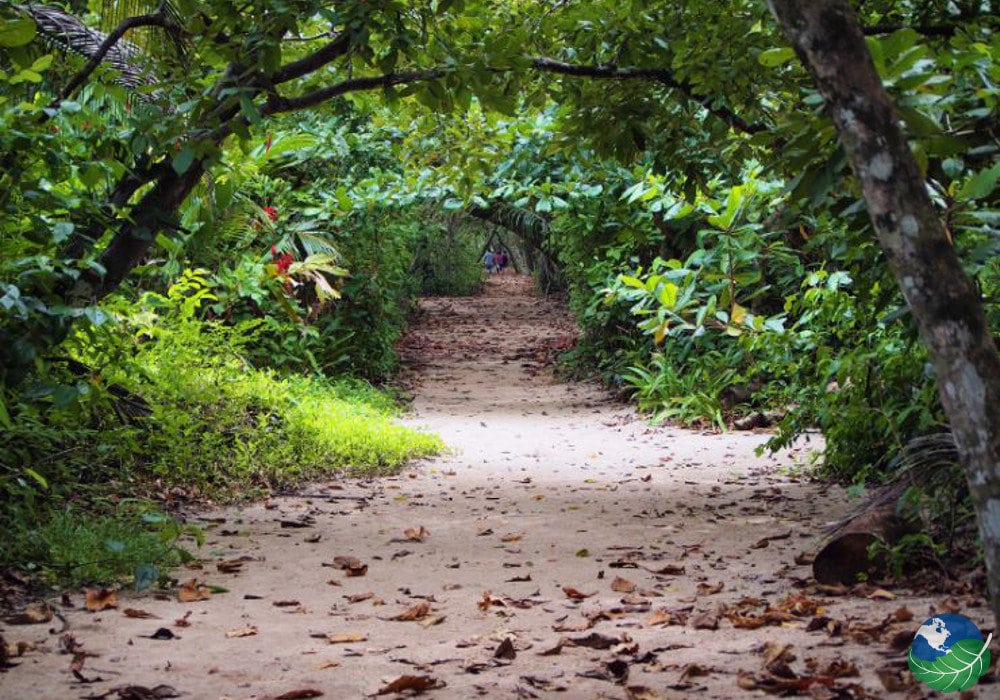
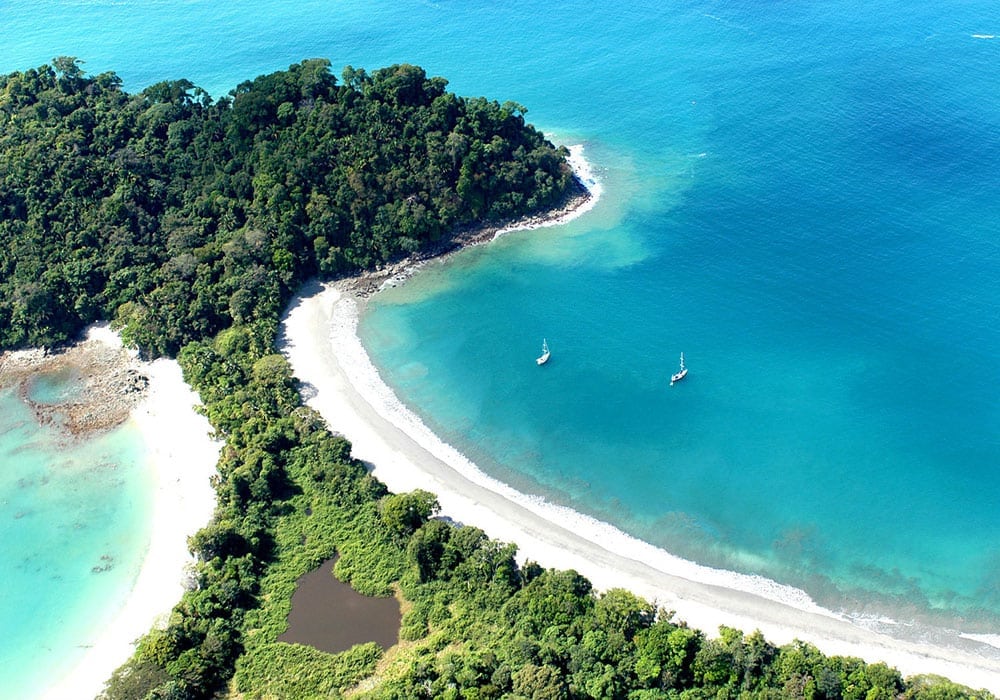
Rainforest that runs down to white sand beaches, with monkeys and sloths in the trees above them. About 3 hours from San José.
Sixteen parks and reserves on one map: rainforest down to the beach at Manuel Antonio, the volcano at Arenal, the cloud forest at Monteverde and the turtle canals of Tortuguero.
Costa Rica has 30 national parks, by the count of SINAC, the national parks service, and with its reserves and wildlife refuges it protects more than a quarter of its land. Four are the ones our clients visit most: Manuel Antonio, where the rainforest runs down to the beach; Arenal, with hot springs below the volcano; the Monteverde cloud forest; and Tortuguero, where green turtles nest from June to October. Corcovado on the Osa Peninsula is the wildest, with Drake Bay as the gateway. We recommend a guide for every park walk, because a guide with a telescope finds the sloths, monkeys and birds you would walk straight past.
The 16 parks and reserves, numbered from the ones our clients visit most.
Each one links to our full guide: what you will see, how to get there and where to stay.
Rainforest that runs down to white sand beaches, with monkeys and sloths in the trees above them. About 3 hours from San José.
Trails across the old lava flows of Costa Rica's best known volcano, with hot springs at its base. Quiet since 2010.
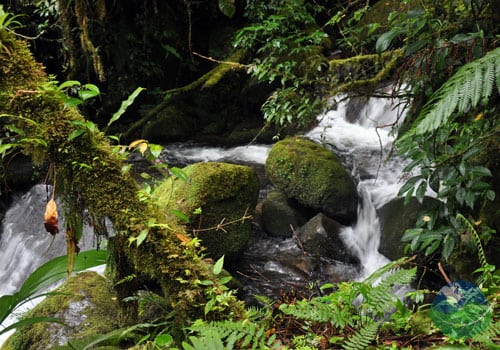
Three reserves protect the cloud forest, where some 400 species of birds live or pass through, the resplendent quetzal among them.
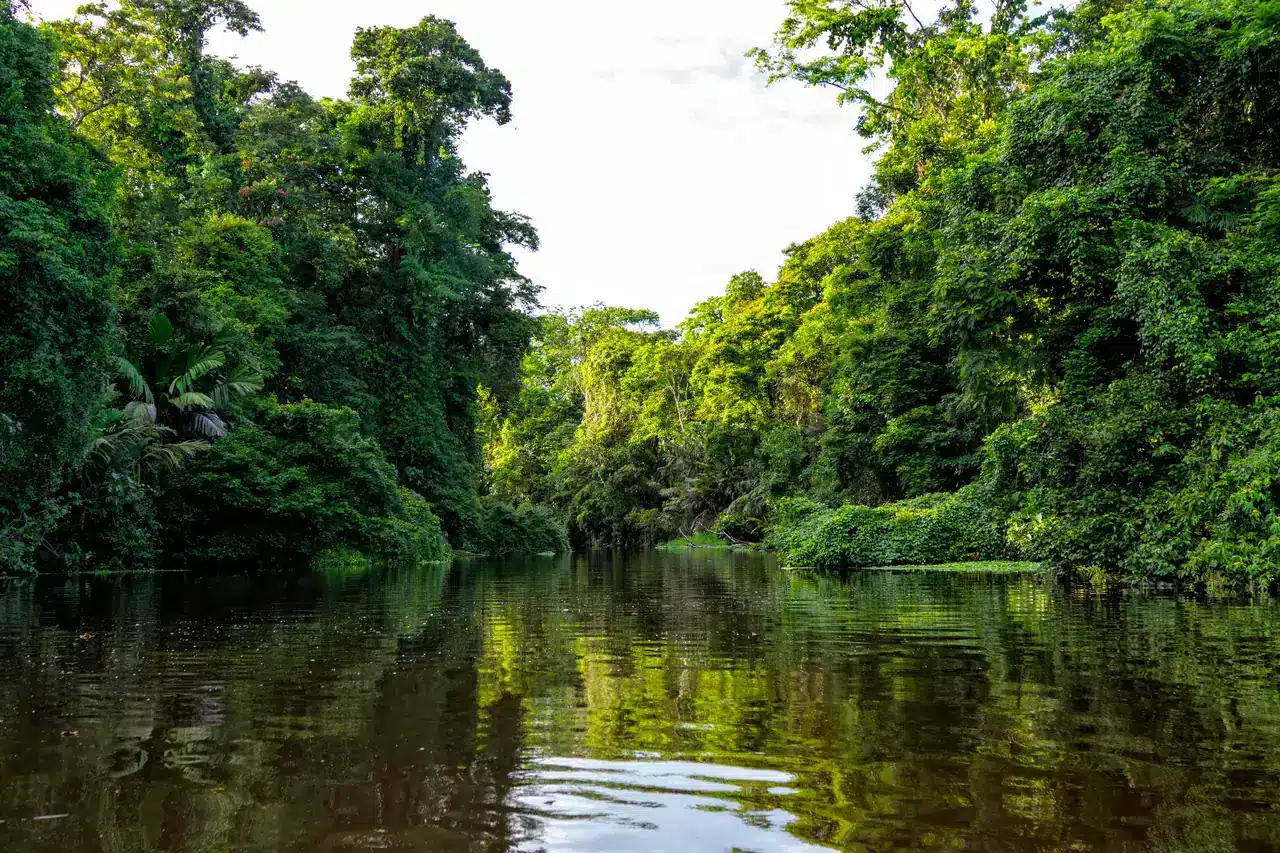
Canals through the rainforest, reached only by boat or small plane. Green turtles nest on its beaches from June to October.
One of the largest active craters in the world, over 900 feet deep and a mile wide. About an hour from San José.
Mud pots, fumaroles and sulfur lagoons, about an hour from Liberia airport. An easy day out from the Papagayo beaches.
A beach park on the Caribbean coast south of Limón, protecting one of the largest coral reefs in Costa Rica.
The largest primary forest on the Pacific coast of the Americas, with scarlet macaws, tapirs and all four of Costa Rica's monkeys. Drake Bay is the gateway.
Forest beside the Tárcoles River, protected since 1978, and less than 2 hours from San José on the way to the Pacific.
Wetlands on the Tempisque River, protected under the Ramsar Convention, with the largest gathering of water birds on the Pacific coast of Central America.
Mostly primary forest, with the Barva Volcano inside it and the highway from San José to the Caribbean running straight through.
Costa Rica's first protected reserve, founded in 1963 at the tip of the Nicoya Peninsula, around the corner from Montezuma and Santa Teresa.
Dry forest in the far north of Guanacaste, the site of the Battle of Santa Rosa, with two beaches where olive ridley turtles nest.
The highest mountain in Costa Rica: a hard climb with cold nights, and on a clear day both oceans from the summit.
Limestone caves under the Nicoya Peninsula, with stalactites and stalagmites in its 42 caverns.
The largest national park in Costa Rica, shared with Panama and a UNESCO World Heritage Site. Remote, rugged and largely unexplored.
30, according to SINAC's register of protected areas (August 2025), among 150 protected wild areas that also include wildlife refuges, biological reserves and forest reserves. Together they protect more than a quarter of the country. Fourteen of the parks are on this page, with the Monteverde and Cabo Blanco reserves: the ones worth building a day around.
Manuel Antonio, for rainforest and beach in the same morning. Arenal, for the volcano and the hot springs. Monteverde, to walk inside a cloud forest. Tortuguero, for the canals and, from June to October, nesting turtles. Corcovado, if you want the wildest of them.
We recommend one. Wildlife is hard to spot on your own, and a guide with a telescope shows you the sloths and monkeys up close. Turtle tours in Tortuguero must go with a licensed guide.
For some parks, yes. Entry to Poás is booked ahead, and the Monteverde reserves limit how many people go in at a time, so in high season your hike starts early. We arrange the entry with your tours.
December to April is the dry season across most of the country, with the best weather in Manuel Antonio and the clearest views of Arenal. May to November is the green season, with more rain. Tortuguero's turtles nest from June to October.
No. Our clients travel with a private driver who leaves on their schedule and waits while they visit, so nobody has to drive the mountain roads.
Tell us what you love. A Costa Rica Specialist builds a custom itinerary around it, with private transfers, hotels we know and our team on call 24/7 while you travel.